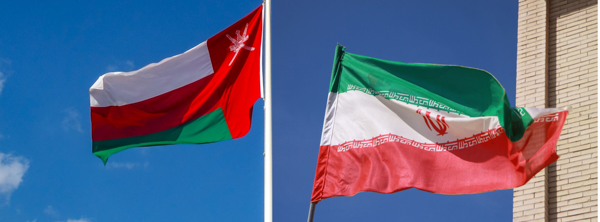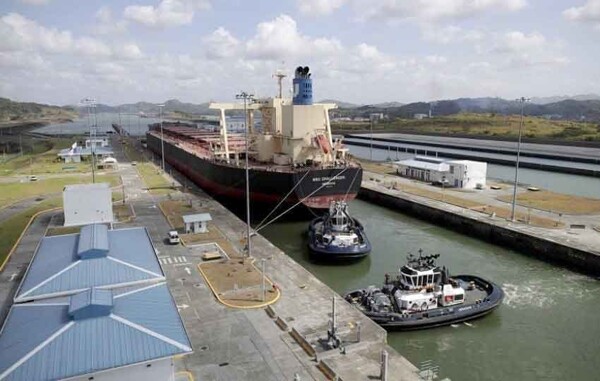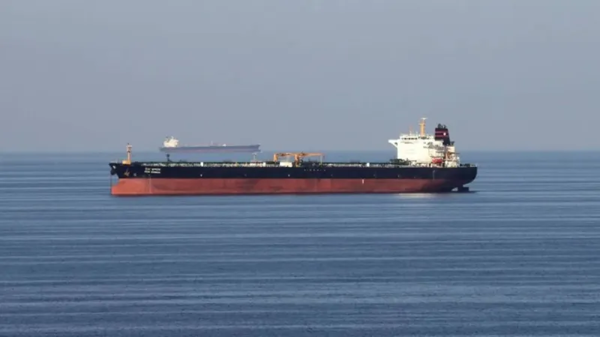
Amid rising geopolitical tensions in the region, the issue of energy supply security has become a top priority for the Gulf Cooperation Council (GCC) countries. Diversifying export routes is no longer a complementary option or a luxury, but a strategic necessity. The Strait of Hormuz is one of the world's most vital chokepoints, as a large portion of global oil exports passes through it. Therefore, the consideration of building alternative oil pipelines that bypass the Strait of Hormuz is being seen as a strategic choice. This reflects a qualitative shift in risk management and lays the foundation for a new phase of economic stability and maximizing returns.